High-voltage energy storage systems require connectors with strong safety performance, stable conductivity, and long-term reliability. When selecting an energy storage connector, buyers should not focus only on price or rated parameters. System voltage, current, cable size, installation environment, and certification requirements should all be considered.
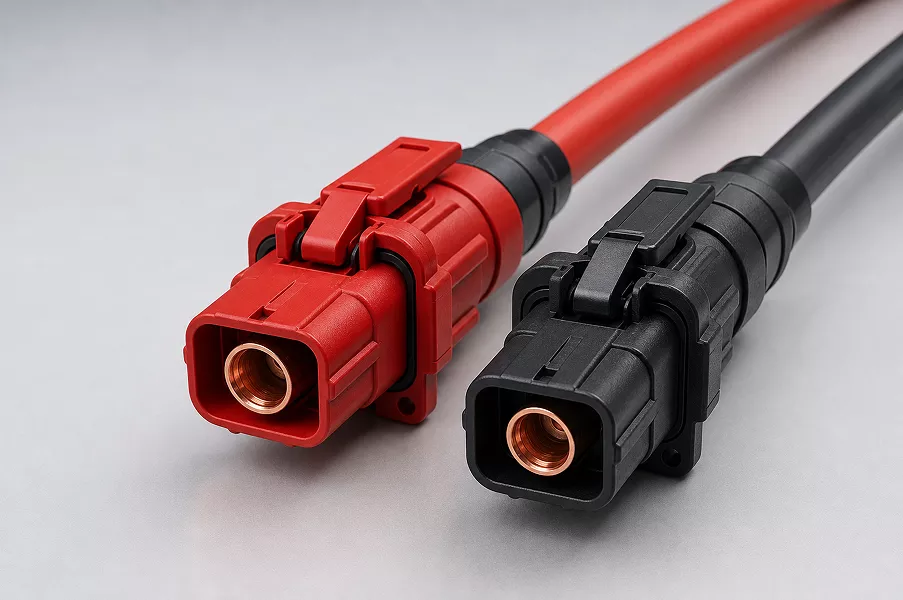
1. Key Parameters to Consider When Selecting Energy Storage Connectors
1. Rated Voltage
The connector must match the voltage platform of the energy storage system. Common high-voltage energy storage systems may involve 600V, 1000V, or 1500V platforms. The rated voltage of the connector should be higher than the actual operating voltage of the system, with enough safety margin to reduce insulation risks during long-term operation.
2. Rated Current
Rated current is one of the most important factors when choosing an energy storage connector. The connector must be able to carry the maximum operating current of the system and remain stable during continuous operation. If the current rating is too low, it may cause terminal overheating, poor contact, or even safety risks for the entire energy storage system.
3. Cable Size Compatibility
Different energy storage projects use different cable sizes, such as 16mm², 25mm², 35mm², and 50mm². Before selection, it is important to confirm whether the connector terminal matches the required cable size and whether the crimping is secure. A mismatch between the cable and connector may increase contact resistance and heating risks.
4. Contact Resistance
Lower contact resistance means less heat generation and lower power loss at the connection point. Since high-voltage energy storage systems often operate continuously for long periods, contact stability is very important. A high-quality energy storage connector should have reliable terminal materials, surface treatment, and contact structure.
5. Temperature Rise Performance
Temperature rise performance is directly related to connector safety. Even if the rated current meets the requirement, the actual temperature rise under operating conditions should still be evaluated. In high-current applications, high-temperature environments, or enclosed energy storage cabinets, excessive temperature rise may accelerate material aging and reduce system reliability.
6. Protection Rating
Energy storage connectors are often used in outdoor cabinets, containerized energy storage systems, and liquid-cooled energy storage systems. Therefore, waterproof and dustproof performance is important. For outdoor or harsh environments, connectors with IP67 or IP68 protection ratings are recommended to improve reliability in humid, dusty, or rainy conditions.
7. Flame Retardant Rating
Energy storage systems require high safety standards. The connector housing material should have good flame-retardant performance. Common requirements include UL94 V-0. Better flame resistance can help reduce safety risks in the event of abnormal heating or electrical failure.
8. Mating Cycles
Some energy storage systems require repeated plugging and unplugging during installation, commissioning, or maintenance. Therefore, mating cycles, locking structure, and terminal wear resistance should also be considered. Reliable quick-plug energy storage connectors can improve installation efficiency and reduce operation errors during maintenance.
9. Operating Temperature Range
Energy storage projects may be deployed in high-temperature, low-temperature, or large day-night temperature difference environments. The connector should be able to adapt to the actual temperature conditions of the project site, avoiding connection instability caused by material shrinkage, aging, or deformation.
10. Certifications and Standards
For overseas energy storage projects or large-scale energy storage systems, certifications are very important. Buyers should check whether the product has relevant certifications such as UL, TUV, CE, RoHS, and REACH to meet market access and project requirements in different regions.
2. How to Choose Energy Storage Connectors for Different Applications
1. Residential Energy Storage Systems
Residential energy storage systems usually have limited installation space, so they require compact connectors with easy installation and reliable safety protection. When selecting connectors, buyers should consider compact design, easy plugging and unplugging, and anti-electric shock protection. Cost and performance should also be balanced.
2. Commercial and Industrial Energy Storage Cabinets
Commercial and industrial energy storage cabinets usually have higher power and longer operating time. They require connectors with stronger current-carrying capacity and stable performance. Selection should focus on rated current, temperature rise performance, locking structure, and anti-mismating design to ensure reliable operation and convenient maintenance.
3. Containerized Energy Storage Systems
Containerized energy storage systems are often used in large-scale energy storage stations or commercial and industrial projects. These systems have larger capacity and more complex operating environments. High-voltage and high-current energy storage connectors should be selected, with special attention to waterproof and dustproof performance, weather resistance, mechanical strength, and long-term reliability.
4. Liquid-Cooled Energy Storage Systems
Liquid-cooled energy storage systems have higher requirements for sealing performance and material stability. The connector should not only provide good electrical performance but also adapt to complex temperature and humidity conditions. Selection should focus on sealing structure, temperature resistance, corrosion resistance, and long-term reliability.
5. Overseas Energy Storage Projects
Overseas energy storage projects usually have clear requirements for certifications, standards, and product consistency. When selecting energy storage connectors, buyers should confirm whether the supplier can provide certification documents, test reports, and mass production experience. Local regulations in the target market should also be considered to avoid project delays caused by incomplete certification.
3. Recommended Selection Process for Energy Storage Connectors
When choosing an energy storage connector, first confirm the system voltage platform, then determine the maximum operating current and cable size. Next, evaluate the application environment to decide the required protection rating, operating temperature range, and flame-retardant requirements. For export projects, certification requirements should also be checked in advance.
Before mass purchasing, it is recommended to obtain samples for testing. Key test items may include plugging and unplugging feel, crimping quality, temperature rise performance, protection performance, and installation compatibility. After sample testing is passed, small-batch verification can be carried out before full-scale procurement. This process helps reduce project risks and supports long-term system reliability.
Conclusion
Energy storage connector selection should focus on voltage, current, temperature rise, protection rating, application scenarios, and certification requirements. Choosing reliable high-voltage energy storage connectors and a professional supplier can improve the safety, stability, and long-term operating efficiency of energy storage systems.